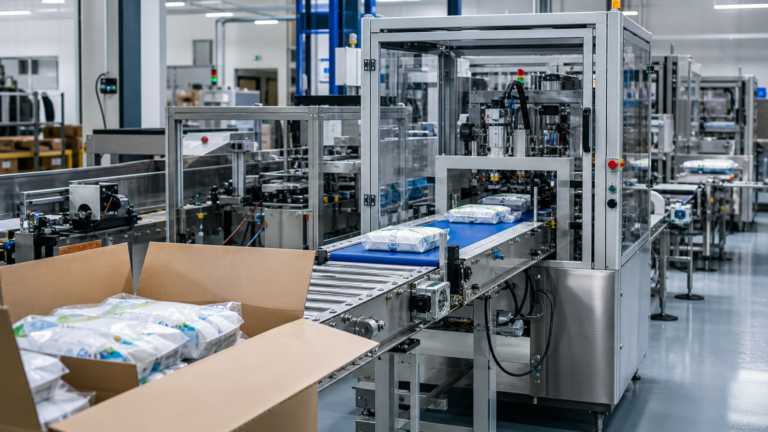


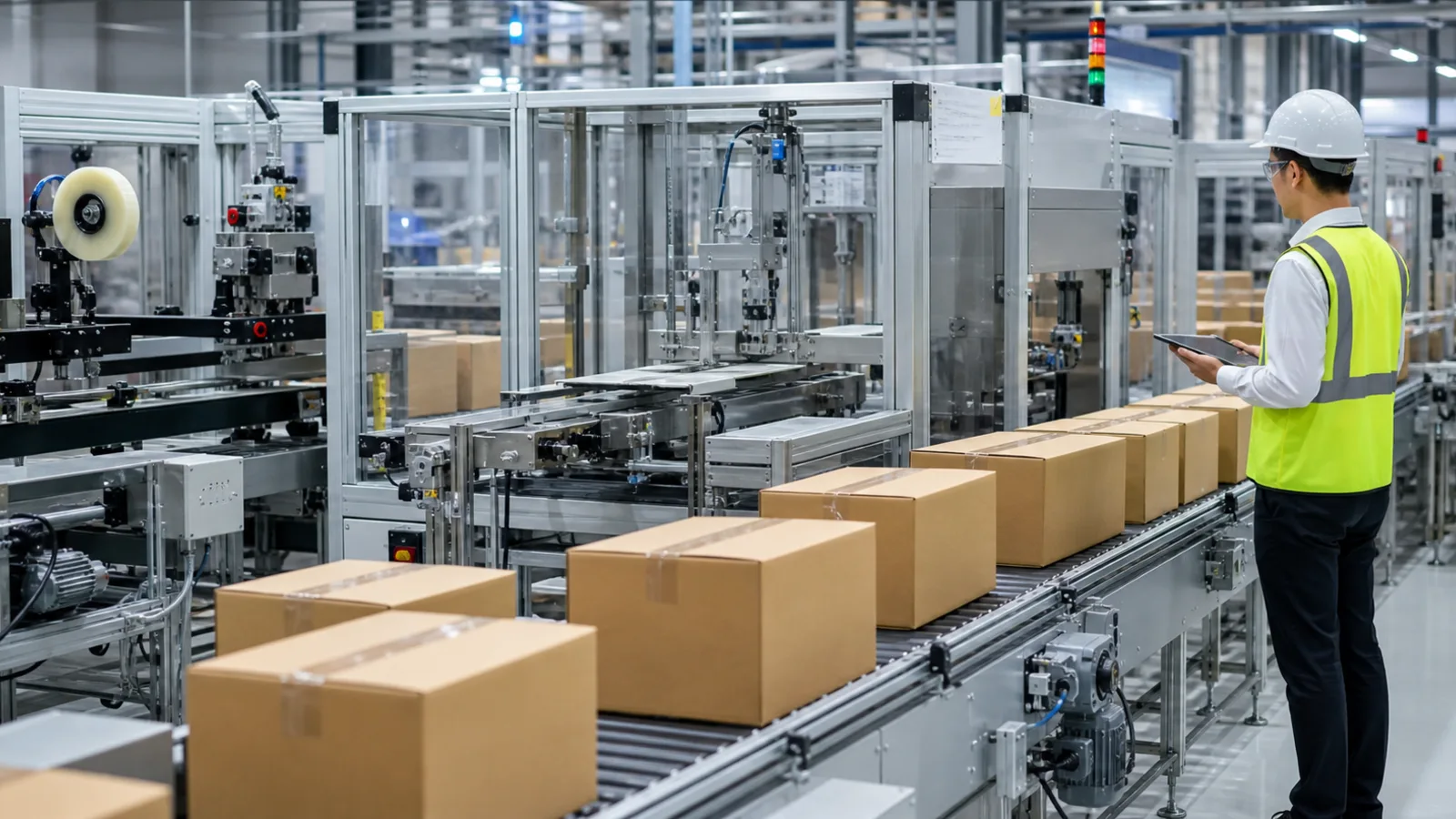
Automatic feeder machine should be reviewed as part of the full factory packaging process because the right equipment affects output, quality, workflow and future production planning.
This article explains practical selection points, operating considerations and related machines that can help factories plan packaging projects with clearer technical and commercial direction.
An Automatic Feeder Machine Controls Product Feeding Rhythm
An automatic feeder machine helps separate and feed products into downstream packaging equipment at a repeatable pace. This is useful for cards, sleeves, cartons, leaflets, pouches or flat products that need consistent spacing.
Stable feeding allows printers, labelers, wrappers and cartoners to work more accurately because the product arrives at the expected position.
Reduce Variation From Manual Feeding
Manual feeding can vary between operators. A feeder helps standardize the input to the packaging line.
Choose the Feeder by Product Behavior
A friction feeder may suit flat products with suitable surface contact, while a suction feeder may be useful when products need lifting or separation from the top. The right choice depends on product thickness, stiffness, surface texture and how items separate from a stack.
Testing real products is important because small differences in material can affect feeding accuracy.
Check Product Samples From Several Batches
Samples from different batches help confirm that the feeding system remains stable under normal production variation.
Connect Feeding With the Whole Packaging Line
An automatic feeder machine may connect with inkjet printing, labeling, wrapping, cartoning or inspection. The layout should allow operators to refill products, clear jams and adjust settings safely.
Control signals should also be planned so the feeder starts, stops and synchronizes with downstream equipment correctly.
Plan Operator Access
Good access makes refilling and adjustment easier, which supports consistent operation during longer production runs.
Summary for Automatic Feeder Machine Selection
An automatic feeder machine supports continuous production by making product input more consistent and easier to control.
The feeder should be selected from real product behavior, required speed and integration with the packaging equipment that follows it.
Selection Note
Prepare product samples and expected output data before selecting the feeder type.
Project Planning Checklist for automatic feeder machine
Before selecting or installing automatic feeder machine, the project team should document the product range, packaging materials, target output, available floor space and the expected operating pattern. These details help turn a general equipment request into a clear technical requirement that can be reviewed by production, engineering and management.
The checklist should also include current process limitations. Useful information may include manual work steps, repeated stoppages, quality checks, changeover frequency, reject causes and the number of operators normally assigned to the line. This makes it easier to compare the new equipment with the current process and define a realistic improvement target.
Use Real Samples for Review
Real products and approved packaging materials should be used whenever possible. Drawings and catalog data are useful, but actual samples show how the product feeds, seals, cartons, labels or moves through the line. This is especially important when products vary by size, surface condition or weight.
A practical checklist reduces uncertainty during quotation, machine trials and installation. It also gives the factory a written reference for future changes when new products, materials or output targets are introduced.
Implementation Review After Automatic Feeder Machine for Continuous Production Lines
After the machine or system is installed, the factory should review actual performance against the original requirement. Important points include stable output, pack quality, operator workflow, changeover time, material handling and the ability to respond to normal production interruptions.
This review does not need to be complicated. A short report covering output, downtime, reject reasons, operator comments and maintenance observations can provide enough evidence to improve the process. When the same review is repeated after several production runs, the team can see whether the equipment is becoming more stable and easier to operate.
Keep Improvement Practical
The best improvements are usually specific and measurable: clearer settings, better material preparation, improved operator access, revised inspection points or a more consistent changeover method. These details help automatic feeder machine deliver value beyond the first installation.
Operating Notes for automatic feeder machine
For daily operation, the team should keep basic settings, material conditions and quality standards visible to operators. This makes the process easier to repeat after shift changes, product changes or planned maintenance.
When these notes are reviewed together with production records, automatic feeder machine can be improved gradually without unnecessary changes to the whole line.
Discuss Your Packaging Machinery Project
Newgate Machine can review product details, packaging formats, output targets and factory layout to help recommend suitable machinery for your production line.