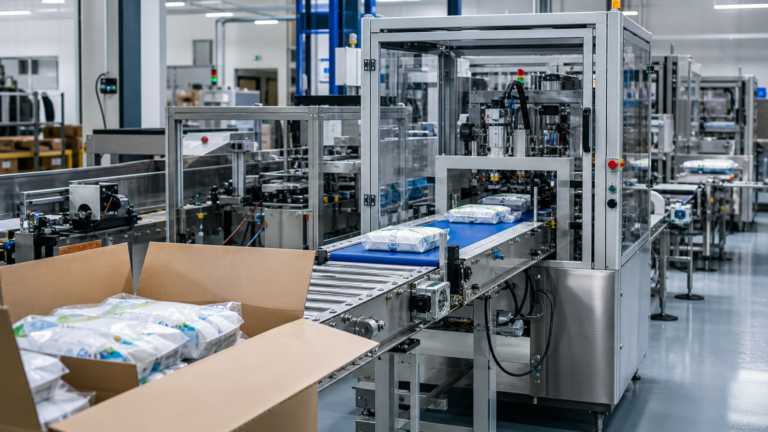


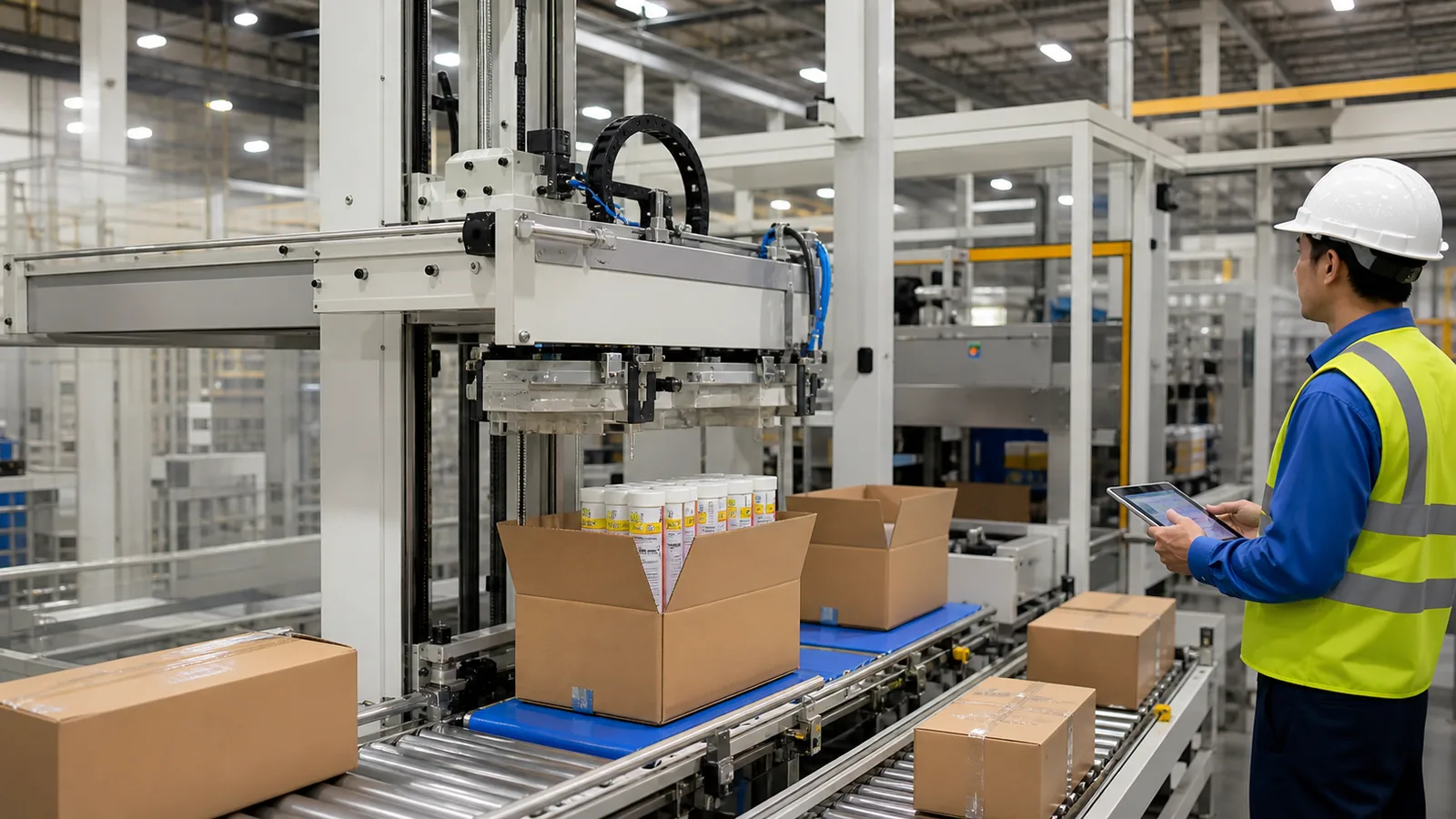
Packaging line automation should be reviewed as part of the full factory packaging process because the right equipment affects output, quality, workflow and future production planning.
This article explains practical selection points, operating considerations and related machines that can help factories plan packaging projects with clearer technical and commercial direction.
Packaging Line Automation Should Start With Production Goals
Packaging line automation should begin with clear production goals such as required output, SKU range, changeover frequency and available floor space. This helps the factory decide which process should be automated first.
Automation is most effective when it addresses a real constraint rather than adding equipment without a line-level plan.
Identify the Current Constraint
The first automation step should support the process that limits output, quality or workflow stability.
Plan Automation Around Product and Packaging Variety
Growing manufacturers often add product sizes, promotional formats or new packaging materials. The automation plan should allow reasonable flexibility without making the system overly complex.
Change parts, recipe settings, operator access and material flow should be reviewed before finalizing the equipment layout.
Do Not Judge by Maximum Speed Alone
Usable output depends on feeding, quality checks, changeovers and downstream handling, not only machine speed.
Prepare Data for Packaging Machinery Selection
Useful data includes product dimensions, pack format, target output, current downtime, labor allocation, layout drawings and future growth expectations. This information helps match equipment with the real production environment.
A practical trial with actual products and materials can reveal handling issues before installation.
Keep Expansion in Mind
Leave space and connection points for future coding, inspection, case packing or palletizing when possible.
Summary for Packaging Line Automation Projects
Packaging line automation helps growing manufacturers improve consistency, output and workflow control when the project is planned from real production needs.
The best approach is to review the full line, define priorities and choose machinery that can support future growth.
Planning Note
Start with a clear process map before selecting individual machines.
Project Planning Checklist for packaging line automation
Before selecting or installing packaging line automation, the project team should document the product range, packaging materials, target output, available floor space and the expected operating pattern. These details help turn a general equipment request into a clear technical requirement that can be reviewed by production, engineering and management.
The checklist should also include current process limitations. Useful information may include manual work steps, repeated stoppages, quality checks, changeover frequency, reject causes and the number of operators normally assigned to the line. This makes it easier to compare the new equipment with the current process and define a realistic improvement target.
Use Real Samples for Review
Real products and approved packaging materials should be used whenever possible. Drawings and catalog data are useful, but actual samples show how the product feeds, seals, cartons, labels or moves through the line. This is especially important when products vary by size, surface condition or weight.
A practical checklist reduces uncertainty during quotation, machine trials and installation. It also gives the factory a written reference for future changes when new products, materials or output targets are introduced.
Implementation Review After Packaging Line Automation for Growing Manufacturers
After the machine or system is installed, the factory should review actual performance against the original requirement. Important points include stable output, pack quality, operator workflow, changeover time, material handling and the ability to respond to normal production interruptions.
This review does not need to be complicated. A short report covering output, downtime, reject reasons, operator comments and maintenance observations can provide enough evidence to improve the process. When the same review is repeated after several production runs, the team can see whether the equipment is becoming more stable and easier to operate.
Keep Improvement Practical
The best improvements are usually specific and measurable: clearer settings, better material preparation, improved operator access, revised inspection points or a more consistent changeover method. These details help packaging line automation deliver value beyond the first installation.
Operating Notes for packaging line automation
For daily operation, the team should keep basic settings, material conditions and quality standards visible to operators. This makes the process easier to repeat after shift changes, product changes or planned maintenance.
When these notes are reviewed together with production records, packaging line automation can be improved gradually without unnecessary changes to the whole line.
Discuss Your Packaging Machinery Project
Newgate Machine can review product details, packaging formats, output targets and factory layout to help recommend suitable machinery for your production line.