

FMCG packaging solutions should be planned around line-level speed, SKU variety, product handling and reliable output. Fast-moving consumer goods are produced for frequent purchase, broad distribution and reliable shelf availability. Food packs, beverages, personal-care products, household goods and everyday healthcare items may differ considerably in shape, material and handling requirements, yet their packaging operations share one important objective: products must move through the line quickly without losing control of quality or traceability.
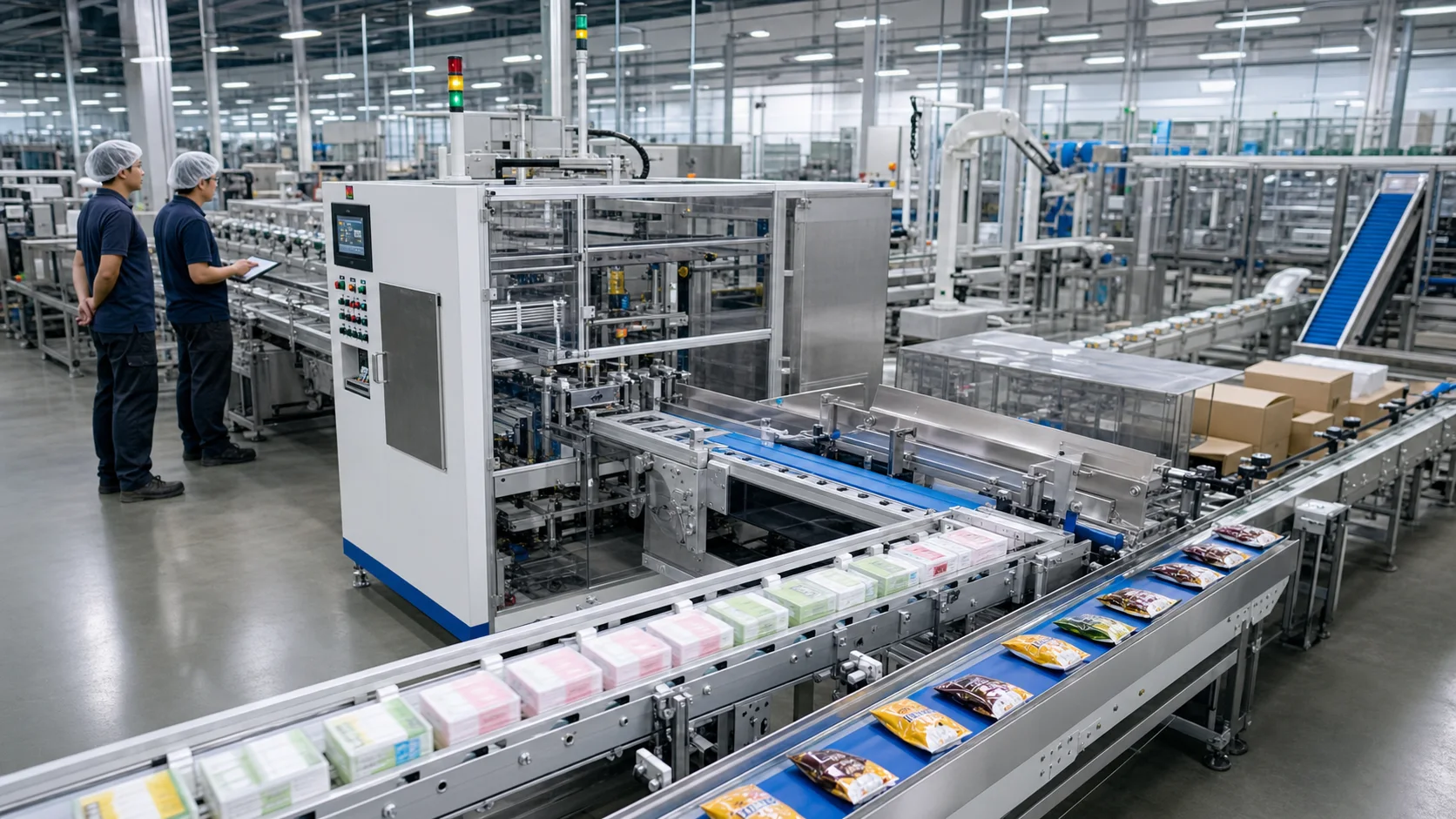
For this reason, effective high-speed packaging solutions are designed as coordinated processes rather than isolated fast machines. Feeding, spacing, wrapping, cartoning, coding, inspection, case packing and end-of-line handling must operate at compatible rates. This article explains how an FMCG packaging line can be planned for sustained throughput, consistent pack quality and practical product changeovers.
What High-Speed FMCG Packaging Means
High speed should describe a stable production result, not only the maximum cycle printed on a specification sheet. A line that reaches a high peak rate but stops frequently may deliver less finished output than a balanced line running at a slightly lower, repeatable rate. The useful measure is therefore sustained throughput over an operating shift, including normal material replenishment, quality checks and product changes.
Throughput Must Be Defined at Line Level
Each station has its own cycle, but finished output depends on the complete sequence. Product arrival, conveyor transfer, sealing time, code verification, carton supply and downstream accumulation can all influence the final rate. The target should be expressed in finished packs, cartons or cases per minute at the discharge point that matters to the factory.
FMCG Production Requires Both Volume and Variety
Many FMCG factories operate several pack sizes, multipack formats or seasonal variants on shared equipment. A suitable solution must therefore combine speed with controlled adjustment. Repeatable guide settings, stored recipes, clearly identified format parts and accessible change points help the line return to production efficiently after a planned changeover.
Essential Architecture of a High-Speed Packaging Line
The arrangement depends on the product and pack style, but most high-throughput lines contain four connected functions: controlled infeed, primary or secondary packing, verification and end-of-line preparation.
Controlled Feeding and Product Spacing
Products must arrive at the packing machine in the correct orientation and at a predictable interval. Infeed conveyors, lane dividers, timing belts, screw feeds or pick-and-place systems can be used to create that condition. The method should suit the product surface, stability and tolerance for contact.
Accumulation Without Uncontrolled Pressure
A measured accumulation zone allows short interruptions at one station without stopping the entire upstream process. The design must prevent crushing, scuffing or unstable products from pressing into one another. Low-pressure conveyors, controlled release logic and suitable guide geometry are commonly reviewed at this stage.
Sensor Placement and Product Detection
Photoelectric sensors, encoders and machine feedback establish the position and status of products throughout the line. Reliable detection depends on product color, reflectivity, shape and spacing, so sensors should be selected and tested with representative samples.
Primary and Secondary Packaging
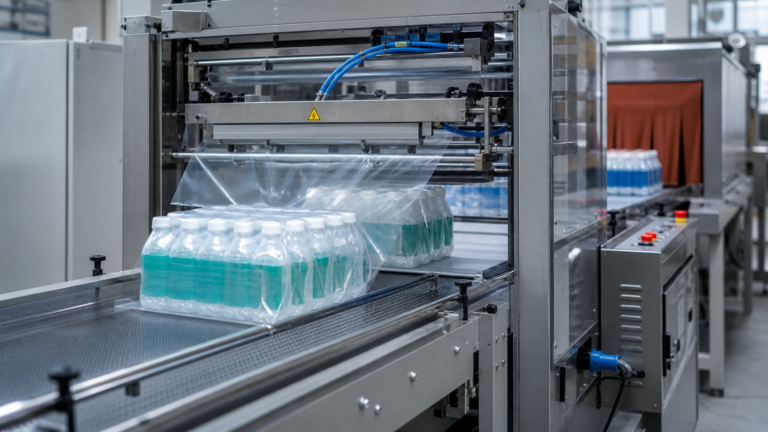
Primary packaging may involve flow wrapping, pouch filling, tray sealing or another process that directly encloses the product. Secondary equipment then groups or protects those packs in cartons, shrink bundles or other sale-ready formats. A practical review of packaging machinery helps define which functions belong in each stage.
Coding, Inspection and Rejection
High throughput does not reduce the need for verification. Date and batch codes, barcode presence, seal condition, pack orientation and weight may need to be checked before products continue. Inspection equipment should be positioned where the relevant feature is visible and where a non-conforming pack can be rejected without interrupting good products.
Case Packing and End-of-Line Handling
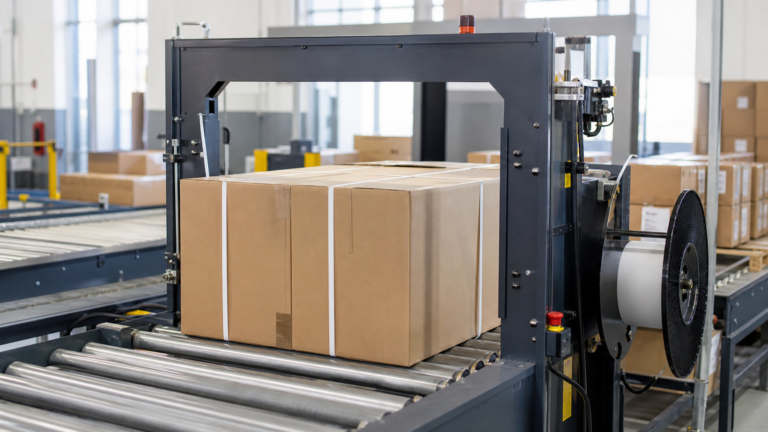
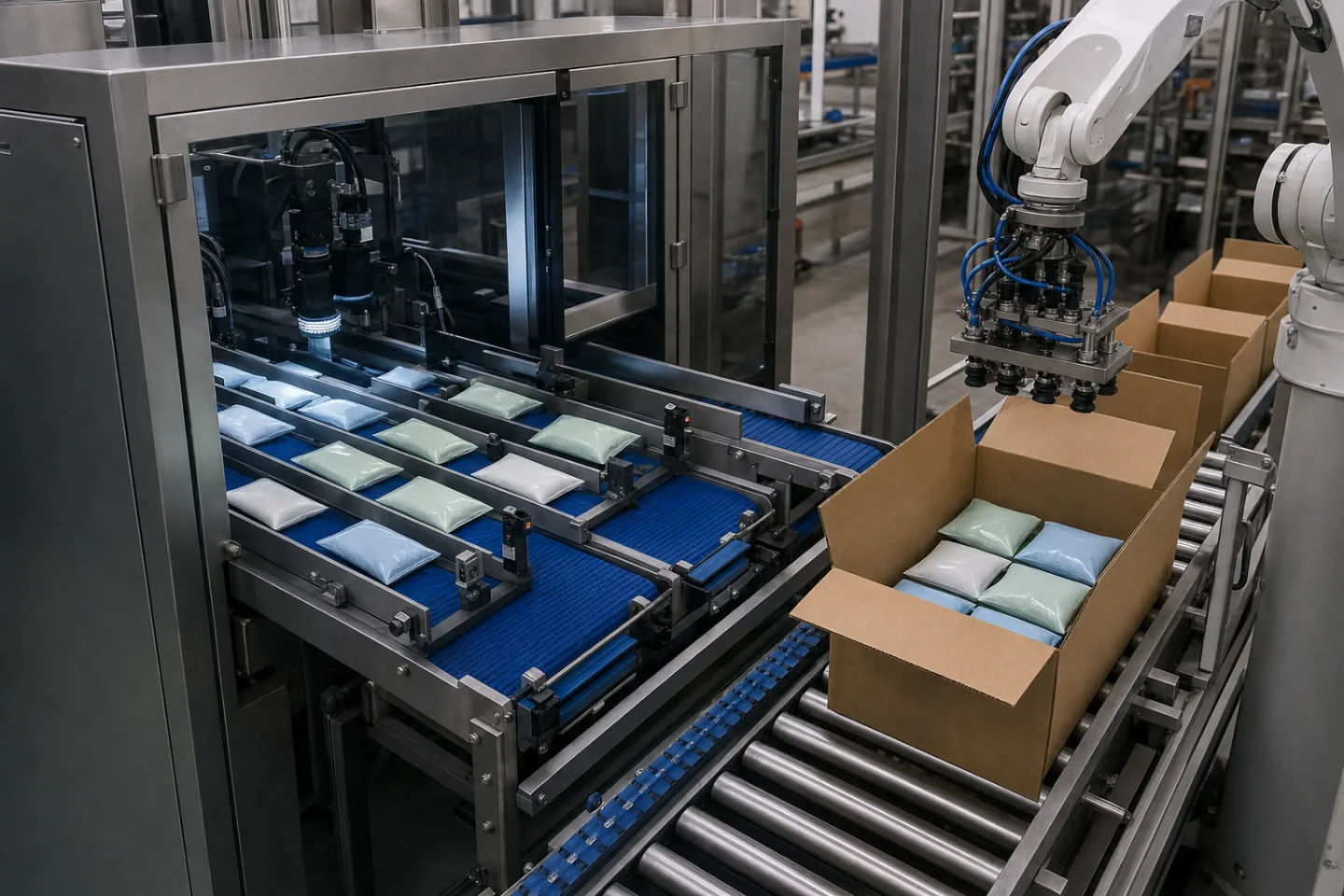
Accepted packs can be counted, collated and loaded into corrugated cases by mechanical or robotic equipment. Carton sealing, strapping, labeling and palletizing then prepare the cases for storage and distribution. At high rates, the transition between grouped products and open cases requires accurate timing and dependable case supply.
Matching Equipment to the FMCG Packaging Format
The correct equipment is determined by the physical product, packaging material and commercial pack format. The following examples provide a starting point for technical discussions.
| FMCG Format | Typical Packaging Functions | Important Review Points |
|---|---|---|
| Snack bars and individual food packs | Product feeding, flow wrapping, coding and cartoning | Product spacing, seal integrity and film tracking |
| Pouches and sachets | Counting, inspection, collation and case packing | Flexible shape, pack overlap and accurate counting |
| Bottles and personal-care containers | Conveying, labeling, cartoning and case packing | Container stability, cap protection and lane control |
| Retail cartons | Carton forming, product loading, coding and closing | Carton quality, loading direction and closure method |
| Multipacks and promotional bundles | Grouping, shrink wrapping, banding or cartoning | Pack pattern, bundle stability and format changes |
Design Changeovers Around the Actual SKU Range
The narrowest and widest products usually reveal the limits of guides, belts, sensors and format tooling. During evaluation, factories should test the full expected range rather than one convenient sample. The review should also include packaging materials from approved suppliers because stiffness, friction and dimensional variation can affect high-speed performance.
Select Automation According to Product Behavior
Robotic handling can provide flexible pack patterns and recipe-based changes, while dedicated mechanical systems can be effective for stable, repetitive formats. The decision should consider product presentation, payload, cycle time, available space and the number of formats the equipment must support.
Line Balancing and System Integration
A high-speed line should be designed around the relationship between stations. If one process repeatedly waits for products while another remains full, the line may require different speed settings, accumulation capacity or control logic. A time study using realistic production conditions provides better information than comparing individual catalogue speeds.
Define the Constraint and Protect Product Flow
Every line has a process that sets the practical rate. Once identified, upstream and downstream equipment can be arranged to support it. Short buffers may absorb brief disturbances, but excessive accumulation can increase footprint and product handling. The objective is enough resilience for normal operation without creating unnecessary complexity.
Machine Communication and Common Operating States
Ready, run, blocked, starved, fault and emergency states should be defined across the equipment. Clear signal exchange allows upstream machines to slow or stop in a controlled manner and helps downstream stations resume without creating product gaps or congestion.
Production Data That Supports Decisions
Counters, stop reasons, reject totals and changeover duration can show where output is being lost. Data collection should remain focused on information that operators and managers can act upon. Reliable basic records are more useful than a large dashboard with unclear definitions.
Where several machines, conveyors and control functions must operate together, an integrated packaging system provides a structured approach to layout, interfaces, programming and commissioning.
Quality Control and Maintenance at High Throughput
At high production rates, a small recurring variation can affect many packs in a short period. Quality checks and maintenance routines should therefore be integrated into normal operation rather than treated as separate activities.
Establish Clear Pack Acceptance Criteria
Seal appearance, code position, carton closure, count accuracy and case condition should be described in measurable terms. Reference samples and inspection frequencies help operators make consistent decisions. Automated inspection should be validated against the same agreed standard.
Plan Preventive Work Around Production
Belts, blades, heaters, vacuum components, bearings, sensors and pneumatic devices may require scheduled attention. Recommended spare parts should reflect wear rate, replacement time and local availability. Cleaning methods must also suit the product environment and avoid disturbing alignment or electrical components.
Train Operators for Normal and Abnormal Conditions
Operators should know how to load materials, complete format changes, confirm quality and respond to alarms. Maintenance teams require access to drawings, parameter records and safe diagnostic procedures. Practical training with real products helps both groups understand how machine adjustments influence the complete line.
Project Planning Checklist for FMCG Packaging
A clear project brief allows equipment suppliers, production teams and engineers to evaluate the same operating requirement. The following information should be prepared before the final solution is selected:
- Product dimensions, weight, orientation and handling characteristics
- All packaging materials and approved sample ranges
- Required output by product and pack format
- Expected changeover frequency and available changeover time
- Coding, inspection and traceability requirements
- Factory layout, access, utilities and environmental conditions
- Upstream and downstream machine interface details
- Acceptance tests, documentation and training requirements
Use Representative Products for Testing
Factory acceptance testing should include representative products and materials, including difficult formats where practical. Test runs should confirm sustained output, pack quality, reject handling and changeover procedures. Recording agreed results provides a useful reference for installation and site commissioning.
Review the Layout as an Operating Workplace
The final drawing should show more than machine footprints. Material loading, operator movement, guard opening, maintenance access, waste removal and spare-format storage all require space. A line that can be operated and serviced properly is better prepared to sustain its intended rate.
Frequently Asked Questions
What determines the maximum speed of an FMCG packaging line?
The practical speed is determined by the complete process, including product supply, machine cycles, inspection time, accumulation and downstream handling. Product behavior and packaging material also influence the sustained rate.
Can one high-speed line handle several product sizes?
Yes, when the equipment is designed for the required size range and includes appropriate adjustments, recipes or format parts. The expected products should be reviewed and tested before the configuration is finalized.
How much accumulation should a packaging line include?
Accumulation should be based on normal short stops, product tolerance and available space. Too little can cause unnecessary line stops, while too much may increase product pressure, footprint and recovery time. The correct capacity is established through line analysis.
Discuss Your FMCG Packaging Requirements
Newgate Machine supports factories in reviewing product characteristics, packaging formats, output targets and equipment interfaces. Our team can assist with machine selection, production-line layout, system integration, installation and after-sales service for FMCG packaging projects.