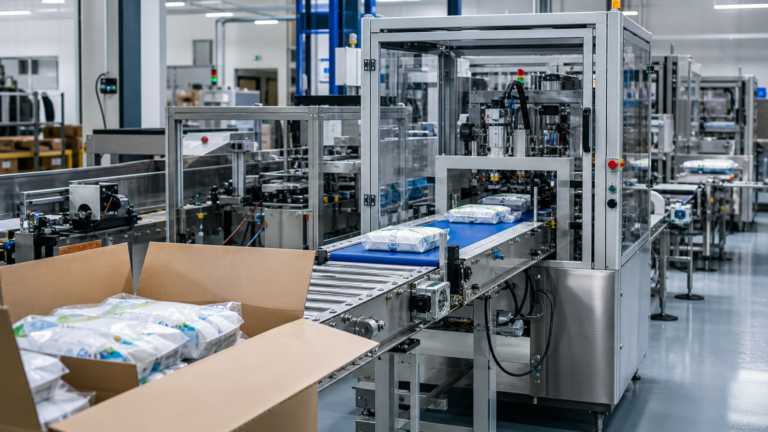


Automatic packaging machinery is most effective when it is selected around the product, the packaging material and the real rhythm of the factory floor. A good specification should be clear enough for production, quality, maintenance and purchasing teams to discuss the same line with the same expectations.
This article explains what it includes and how it fits into a production floor. It is written for factories that want practical information before comparing models, requesting a quotation or planning a new packaging line.
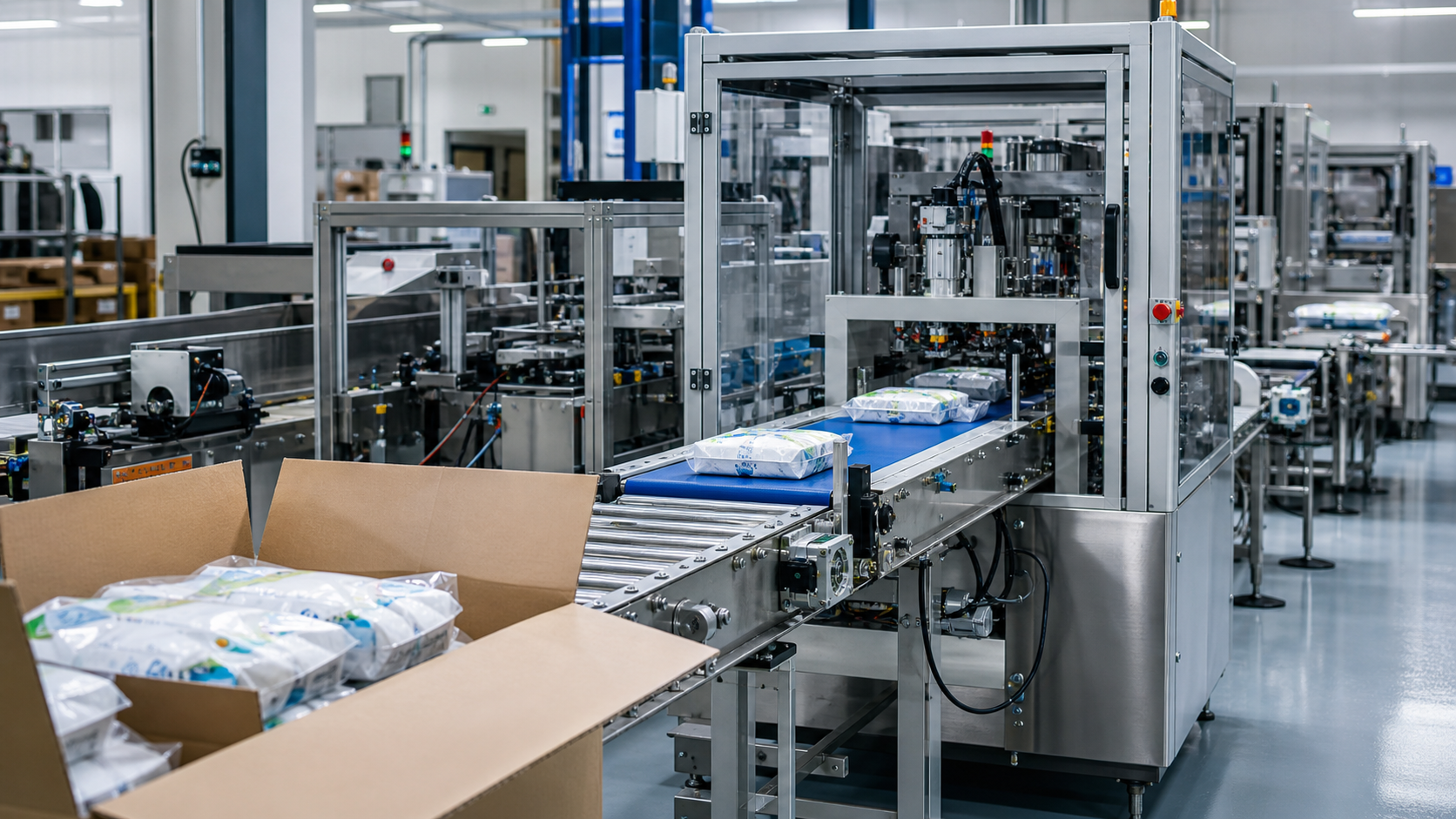
Automatic packaging machinery: why it matters in factory packaging
The term covers more than one machine. In a real factory it may include product feeding, carton forming, wrapping, sealing, strapping, coding and inspection. The value comes from how these modules work together with stable timing and clear product flow.
For SEO and for real readers, the main keyword should not stand alone. It should be supported by related terms such as packaging automation</strong>, <strong>industrial packaging machinery</strong>, <strong>factory packaging line. These phrases describe the same buying journey from different angles and help the page connect with searches made by engineers, owners and purchasing teams.
Practical role on the production floor
The practical role of this equipment is to make the packaging step easier to repeat. A machine may handle product spacing, carton forming, film wrapping, coding, sealing or bundling. What matters is not only the mechanical action, but also how steadily the product moves before and after the machine.
Factories should also consider the people around the line. Operators need clear access to load materials, remove finished packs, check settings and keep the area organized. When the machine supports that daily workflow, production becomes easier to supervise.
How to select automatic packaging machinery
Start from the product format, target output, carton size range, available space and preferred closing method. A stable specification should also define feeding direction, operator access, changeover needs and utilities before a quotation is finalized.
Product, packaging and material details
Before selecting a model, prepare samples of the actual product and packaging material. Product size, weight, surface condition, carton strength, film thickness, strap width or code position can change the final machine recommendation. A discussion based on actual samples is more useful than a specification based only on an estimated output number.
Speed, changeover and usable output
Machine speed should be reviewed together with changeover time and usable production time. A machine that runs at a moderate but stable speed may serve the factory better than a faster machine that requires frequent adjustment. For multi-product production, tool-free settings, guides and clear reference points can be valuable.
Checks before confirming a specification
- Confirm minimum and maximum product dimensions.
- Review packaging materials under real operating conditions.
- Check conveyor height, direction and available floor space.
- Define target output per hour and per shift.
- Plan operator access, maintenance access and safety areas.
Documentation is also part of a proper selection process. Drawings, product samples, packaging material samples and photographs of the current working area give the supplier a more accurate view of the project. When these details are prepared early, it is easier to compare equipment options with the same baseline instead of reviewing each proposal as a separate idea.
Connecting the machine with the wider packaging line
Good integration keeps upstream production, packaging, coding and end-of-line handling moving at the same practical rhythm. Conveyors, sensors and reject points should be discussed early so the system can be commissioned with fewer adjustments.
Upstream and downstream equipment
Most packaging projects involve more than one machine. A feeder may supply products to a coder, a cartoning machine may send cartons to a sealer, and a carton sealer may be followed by a strapping machine. Looking at the complete route helps prevent gaps between machines and supports clearer responsibility during commissioning.
Internal links are also useful for planning. Newgate Machine provides related equipment across packaging machinery and automatic packaging systems, and factories can review suitable categories before discussing a complete line.
Quality checks after installation
After installation, the team should check finished pack appearance, product orientation, rejected packs, material usage and operator feedback. These observations help fine tune guides, sensors, conveyor speed and machine settings. A measured commissioning process gives the factory a more reliable starting point for daily production.
It is also useful to define a simple maintenance routine from the first week. Cleaning points, wear parts, lubrication intervals and inspection items should be familiar to the operators who work near the machine. This keeps the equipment easier to manage as production volume increases.
Related Newgate machines and guides
For a more complete view of this topic, the following pages are useful starting points:
- automatic packaging machinery
- packaging automation
- industrial packaging machinery
- factory packaging line
Plan the next step with Newgate Machine
If your factory is reviewing automatic packaging machinery or a connected packaging line, Newgate Machine can help evaluate product samples, packaging materials, available space and the equipment sequence. Share the product details and target output with the team to receive a suitable machine recommendation for your production environment.