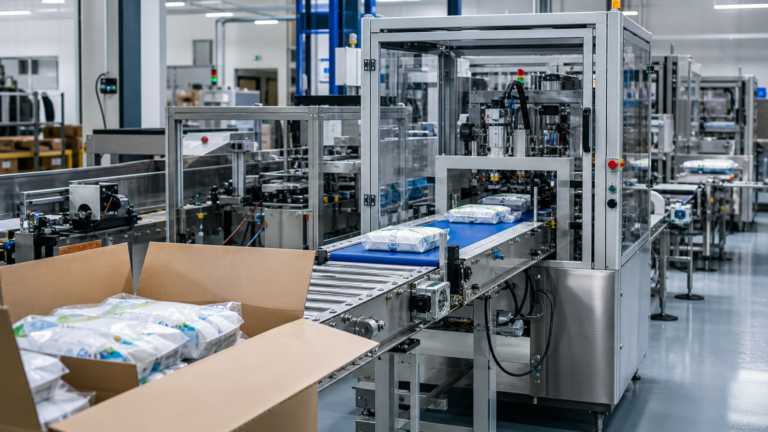


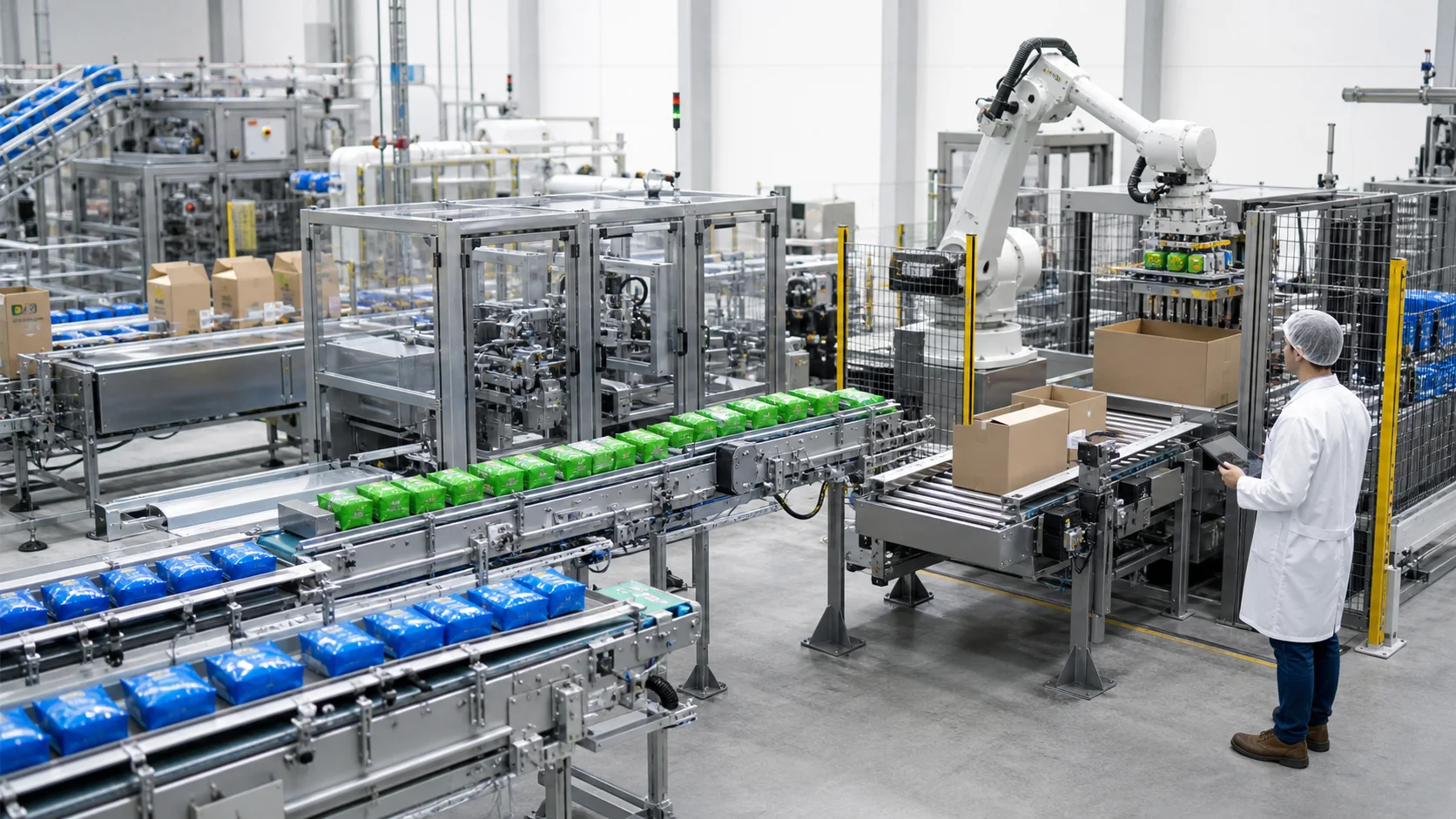
Production cost is influenced by more than the purchase price of packaging materials or the number of people assigned to a line. Repeated stops, inconsistent settings, excessive handling, rework and difficult changeovers all consume time and resources. An automated packaging system can bring these activities under more consistent control when it is selected around the actual product, format and operating method.
The most useful savings normally come from several improvements working together. This article presents five practical ways that packaging machinery can reduce production cost while maintaining suitable quality, safety and output standards.
Establish the Current Packaging Cost Baseline
Before proposing automation, record how the existing process performs over representative shifts. Useful measures include direct labor hours, overtime, packs per minute, material usage, rejected packs, rework hours, changeover duration and unplanned stops. The baseline should distinguish normal production from exceptional events so that the future comparison remains credible.
Calculate Cost per Accepted Pack
A simple starting measure is total packaging operating cost divided by accepted finished packs. Include labor, packaging material, energy, routine consumables, rework and disposal. The same definition must be used before and after automation; otherwise an apparent improvement may come from changing the calculation rather than changing the process.
1. Improve Labor Allocation and Reduce Repetitive Handling
Manual loading, counting, carton forming, sealing and case packing can require several people when production volume is high. Automation can perform repetitive cycles at a defined rate while employees supervise material supply, quality checks and changeovers.
Measure Capacity Released, Not Only Headcount
The financial value depends on the company’s operating plan. Employees may be reassigned to another productive task, future recruitment may be avoided, or overtime may fall. Each outcome should be valued separately. A reassignment creates useful capacity, but it is not automatically a direct cash saving.
Review Ergonomics and Work Content
Removing frequent lifting, reaching and repetitive placement may also support a more sustainable workstation. The automated cell should still provide safe and accessible positions for replenishment, cleaning and format adjustment.
Keep Skilled Decisions with the Operator
Automation is most effective when operators retain clear responsibility for quality confirmation, material verification and response to abnormal conditions. The objective is consistent execution, not removing informed human oversight.
2. Reduce Packaging Material Waste
Film tracking, carton feeding, adhesive application, product counting and seal settings can all influence material consumption. Controlled machine recipes and repeatable adjustments reduce variation between shifts and make abnormal usage easier to identify.
Convert Waste Reduction into an Annual Value
Compare the current scrap percentage with a conservative future target. Multiply the difference by annual material usage and landed material cost. Include damaged products only when the proposed system directly changes their handling or protection.
3. Control Rework and Quality Variation
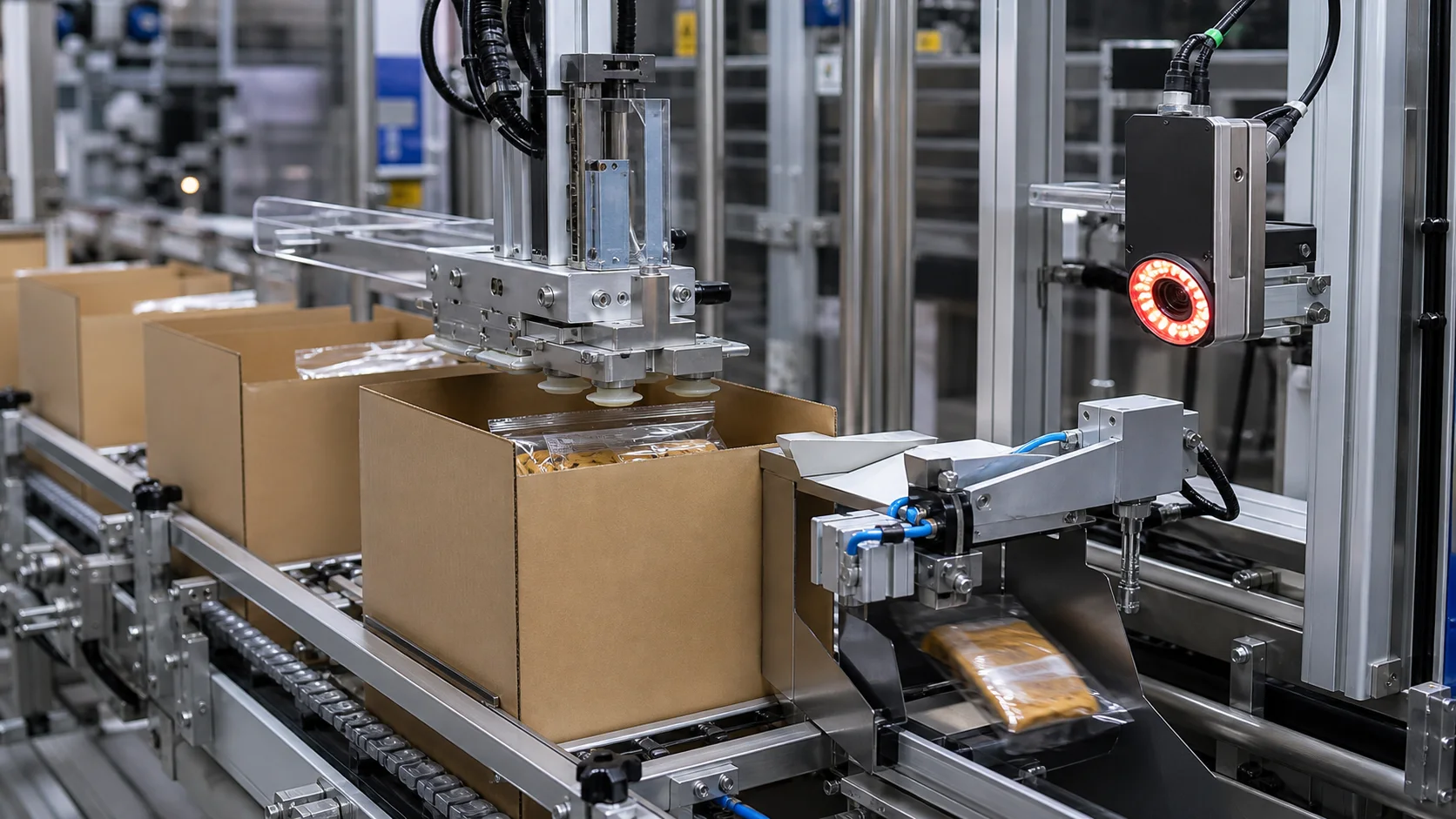
A packaging process may require correct count, orientation, code, seal and carton closure. Automated sensors and inspection devices can confirm selected conditions at production speed and direct non-conforming packs to a controlled reject point.
Place Inspection Where the Feature Is Visible
Code inspection should occur after printing, while closure inspection should occur after the closing process. The rejection system must remove the identified pack without disturbing accepted products. Clear reject records support investigation and prevent rejected items from returning to the line without authorization.
For projects that combine conveyors, controls and inspection, an integrated packaging system review helps define responsibility for each interface.
4. Increase Useful Throughput from Existing Resources
A faster machine creates value only when upstream product supply and downstream handling can support it. The practical target is accepted finished output over a shift, not an isolated maximum cycle rate.
Balance Machines Around the Constraint
Identify the station that sets the line rate, then arrange feeding, accumulation and downstream capacity to protect it. Short controlled buffers can absorb brief interruptions. Excessive accumulation may increase footprint, handling and recovery time, so capacity should be based on observed stop patterns.
Value Only Saleable Additional Output
When additional production can be sold, value it using contribution margin rather than total sales revenue. If demand is fixed, the benefit may instead come from fewer overtime hours, a shorter operating schedule or released capacity for another product.
5. Standardize Changeovers and Preventive Maintenance
Recipe control, identified format parts, repeatable guide settings and accessible adjustment points reduce the variation associated with product changes. A documented sequence also helps operators prepare materials and tooling before the line stops.
Plan Maintenance as Part of Operating Cost
Belts, blades, heaters, sensors, vacuum components and pneumatic devices require scheduled attention. Preventive maintenance does not eliminate cost, but it can replace irregular emergency work with planned activity and reduce extended production interruption.
Use Stop Data to Set Priorities
Record stop reason, duration and affected product. A short frequent stop may consume more production time than a rare long event. Focus improvement work on the recurring conditions with the greatest verified effect.
Review the Complete Automation Business Case
Combine annual labor, material, rework, throughput and downtime benefits, then deduct additional energy, maintenance, consumables and service costs. Compare the annual net benefit with the complete installed investment. The guide to packaging machinery ROI provides formulas and a worked payback example.
| Cost Area | Baseline Measure | Automation Measure |
|---|---|---|
| Labor | Hours per accepted unit | Hours reassigned, avoided or reduced |
| Material | Scrap percentage | Verified future scrap rate |
| Output | Accepted packs per shift | Saleable output at sustained rate |
| Quality | Rework and reject cost | Measured reduction after validation |
Frequently Asked Questions
Does automation always reduce total production cost?
No. The result depends on volume, product stability, equipment utilization, labor plan, material performance and maintenance. A measured baseline and realistic operating scenario are required.
Which saving should be evaluated first?
Start with costs already recorded reliably, such as overtime, material scrap, rework and direct staffing. These usually provide a stronger business case than assigning monetary value to benefits that cannot be verified.
Can automation be introduced in stages?
Yes. A factory may begin with one stable, repetitive process and design the controls and layout for later integration. Interfaces and future product formats should be considered in the first stage.
Discuss a Cost-Efficient Packaging Solution
Newgate Machine can review your products, packaging materials, current operating method and target output to define a suitable automation scope and the technical information required for an investment assessment.