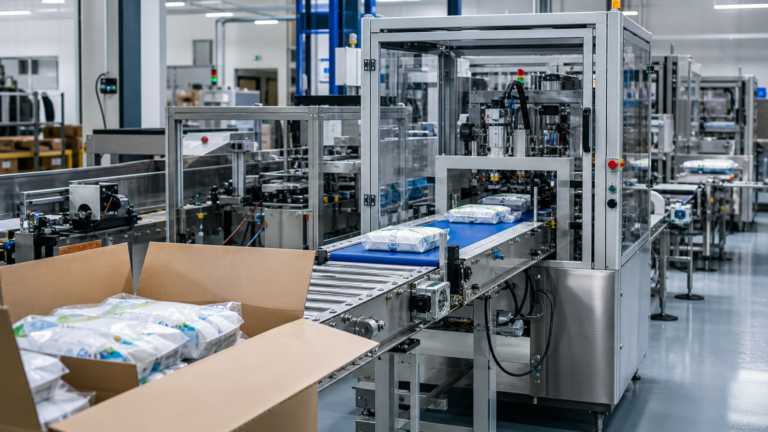


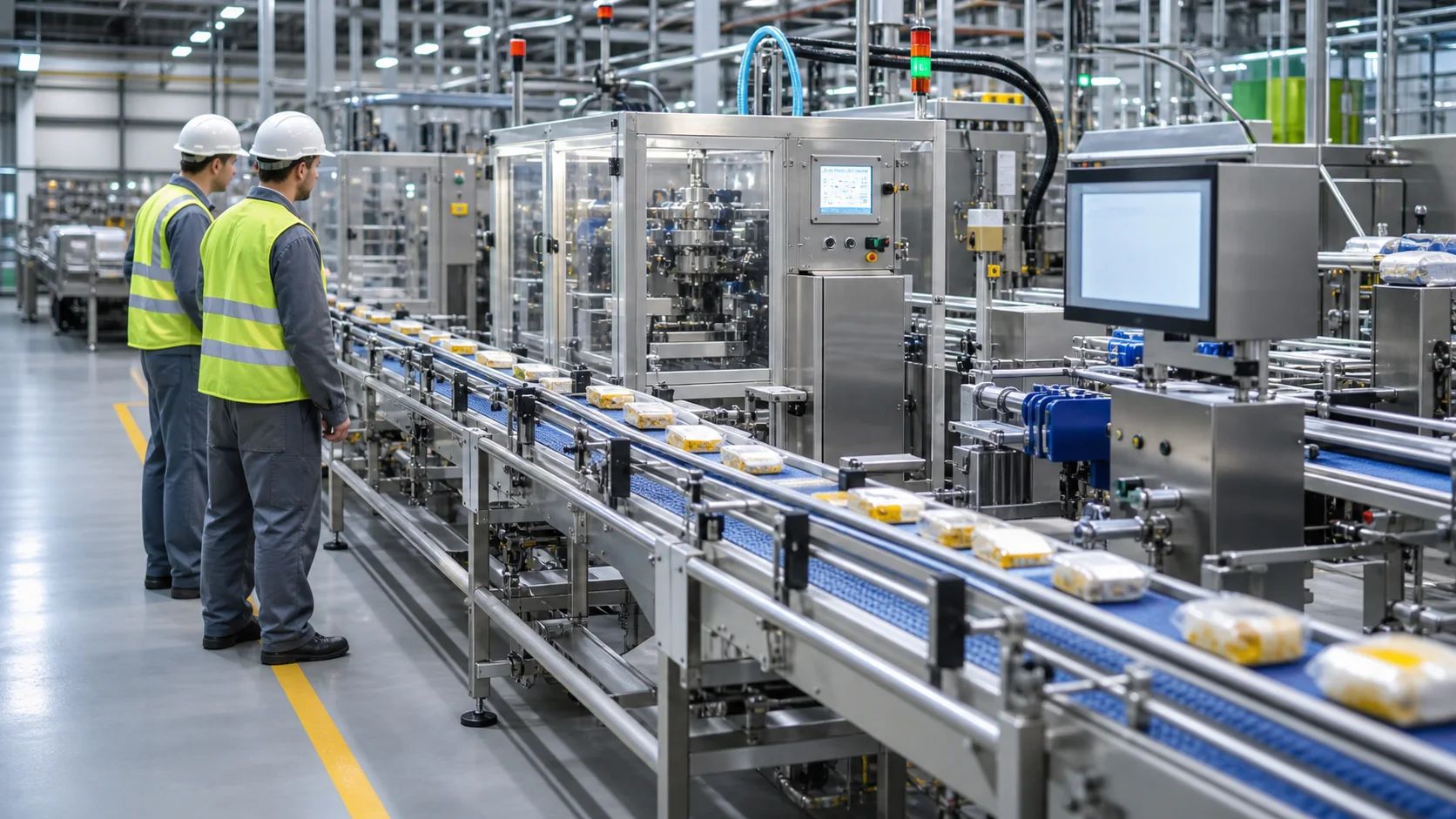
Production line optimization is a structured effort to increase accepted output, improve quality and use labor, materials, equipment and time more effectively. It is not limited to increasing machine speed. A line running faster at one station may create more waiting, congestion or rejects elsewhere.
A successful program begins with a clear operating objective and measured current state. It then addresses the constraint, recurring losses, machine interfaces and work standards in a practical sequence. This guide outlines a method that can be applied to manufacturing and packaging operations.
Set a Clear Production Line Optimization Objective
The objective may be more accepted units per shift, lower cost per pack, shorter lead time, improved schedule reliability or greater format flexibility. Choose a primary result and supporting measures so that local improvements do not conflict with the wider operation.
Use Measures That Connect to Finished Output
Useful measures include accepted units per scheduled hour, changeover time, reject rate, material loss, unplanned downtime and schedule attainment. Machine speed remains relevant, but it should be interpreted together with availability and quality.
Define the Measurement Boundary
State where the process begins and ends. A packaging project may begin at product infeed and end with a sealed shipping case. A clear boundary prevents teams from shifting losses between departments.
Agree Data Definitions
Define what counts as a stop, reject, planned changeover and accepted unit. Consistent definitions make results comparable across shifts and products.
Map the Current Production State
Walk the complete process and record product flow, material supply, operator tasks, inspection points, buffers, information transfer and waste handling. The map should reflect what actually occurs during production rather than only the intended procedure.
Observe Different Products and Shifts
A stable product may hide difficulties experienced with another format. Compare high-volume and difficult SKUs, normal and changeover periods, and different operating teams.
Record Time and Queue Behavior
Measure cycle time, waiting, replenishment and recovery from short stops. Queues reveal imbalance: a growing queue indicates downstream restriction, while an empty downstream station may indicate unreliable supply.
Analyze the Losses That Affect Line Performance
Group losses into meaningful categories such as breakdown, minor stop, material shortage, quality check, changeover, cleaning, waiting for labor and downstream blockage. Record both frequency and duration.
Prioritize Total Effect, Not the Most Visible Event
A five-minute stop repeated every hour may consume more capacity than a single long failure. Pareto analysis can identify the few causes responsible for most lost time.
Confirm Root Cause at the Process
Avoid changing settings before confirming why the condition occurs. Product variation, sensor position, guide wear, material friction or an upstream timing issue may create similar symptoms but require different corrective action.
Balance and Integrate the Production Line
Set equipment rates around the process constraint and expected product mix. Upstream machines should supply it reliably, while downstream equipment should remove output without repeated blockage.
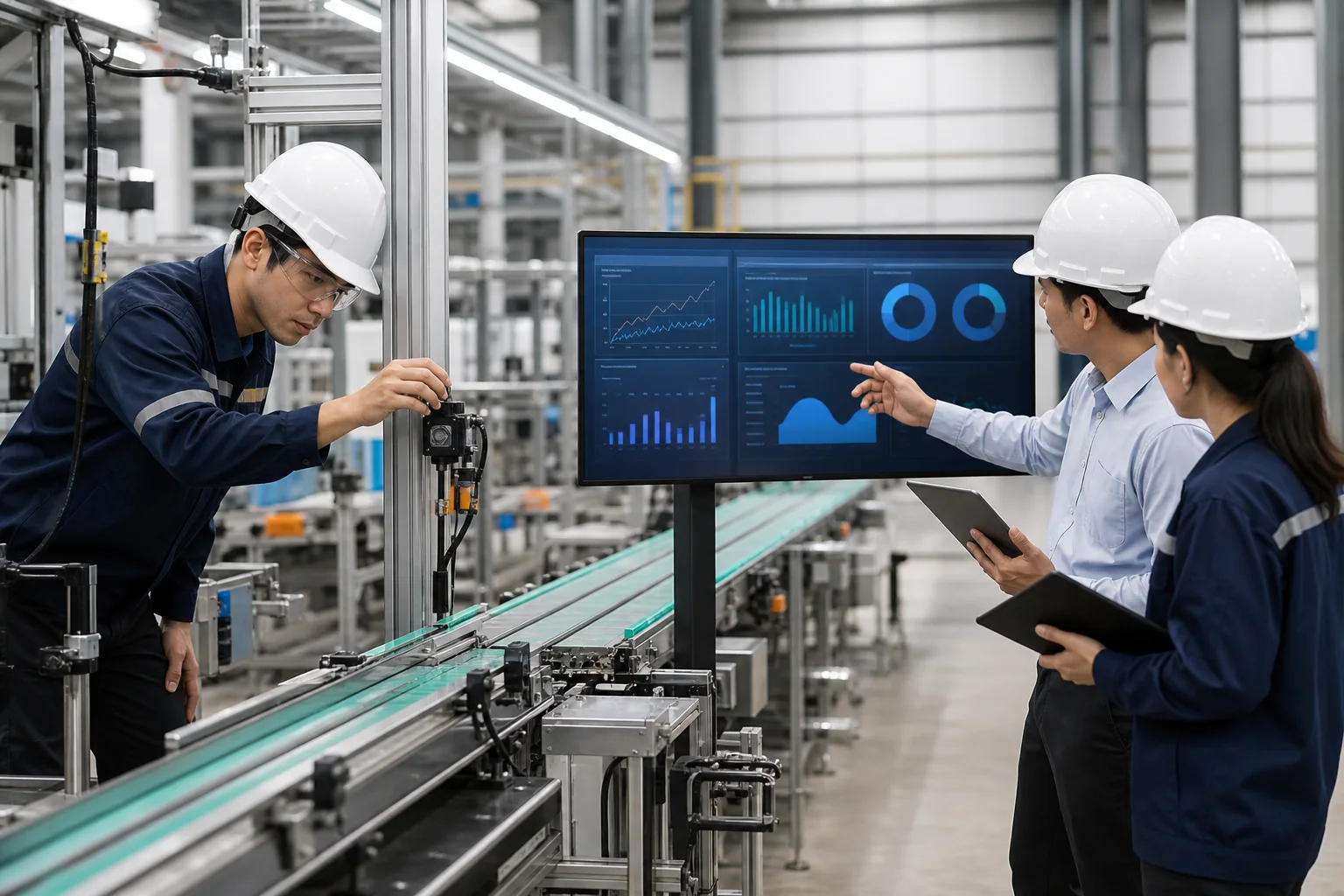
Coordinate Machine Operating States
Ready, run, blocked, starved, fault and emergency signals should be exchanged consistently. Controlled slow-down and restart logic help avoid product gaps and congestion after a stop.
Design Accumulation for Normal Variation
Buffers should absorb recurring short interruptions without damaging products or occupying unnecessary space. Their capacity should be based on stop history and recovery behavior.
Where several machines and control functions must operate together, an integrated production and packaging system provides a common basis for layout, interfaces and commissioning.
Standardize Operating and Changeover Work
Document the best verified sequence for start-up, material loading, quality checks, format adjustment, cleaning and shutdown. Standards should be practical, visible and maintained as the process improves.
Separate Internal and External Changeover Tasks
Tasks that require the machine to stop should be minimized. Tools, materials and format parts can often be prepared while the previous product is still running.
Train for Normal and Abnormal Conditions
Operators need a clear method for routine work and an escalation path for repeated faults. Maintenance teams need drawings, parameter records and safe access for diagnosis.
Control Settings and Recipes
Approved parameters reduce shift-to-shift variation. Changes should be recorded so that the team can distinguish a true improvement from an unverified adjustment.
Integrate Quality and Maintenance into the Line
Detect Quality Conditions at the Correct Point
Inspection should occur where the required feature is visible and before additional value is added. For example, an inkjet coding system can be paired with suitable verification after the print position.
Plan Preventive Maintenance from Failure Data
Service intervals should reflect component condition, wear rate and production consequence. Keep critical spares according to replacement lead time and the effect of failure on total output.
Track Repeat Failures to Completion
Temporary recovery restores production, but repeated faults need permanent corrective action. Assign ownership, due date and verification criteria for each improvement.
Create a Production Line Optimization Roadmap
| Stage | Main Work | Output |
|---|---|---|
| Measure | Baseline output, stops, quality and changeovers | Agreed current state |
| Prioritize | Identify constraint and largest verified losses | Focused action list |
| Improve | Test process, control and equipment changes | Verified result |
| Standardize | Update work, training and maintenance standards | Sustained operation |
When improvement requires capital equipment, connect the expected operating benefit to the packaging machinery ROI and payback assessment. Verify results through representative product testing and agreed acceptance criteria.
Frequently Asked Questions
Should optimization begin with new machinery?
Usually the current process should be measured first. New equipment is most effective when it addresses a verified constraint or loss and can be integrated with the rest of the line.
How long should an optimization project take?
The duration depends on scope. A recurring minor stop may be resolved quickly, while layout, control integration or new machinery requires design, testing and commissioning.
How can improvements be sustained?
Update operating standards, train relevant teams, assign process ownership and continue monitoring the measures used to verify the change.
Plan an Efficient Integrated Production Line
Newgate Machine can support product evaluation, packaging equipment selection, conveyor layout, controls and system integration for production-line improvement projects.