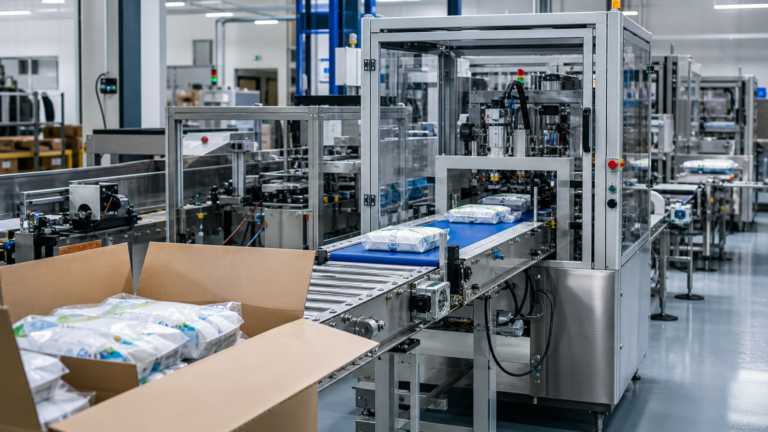


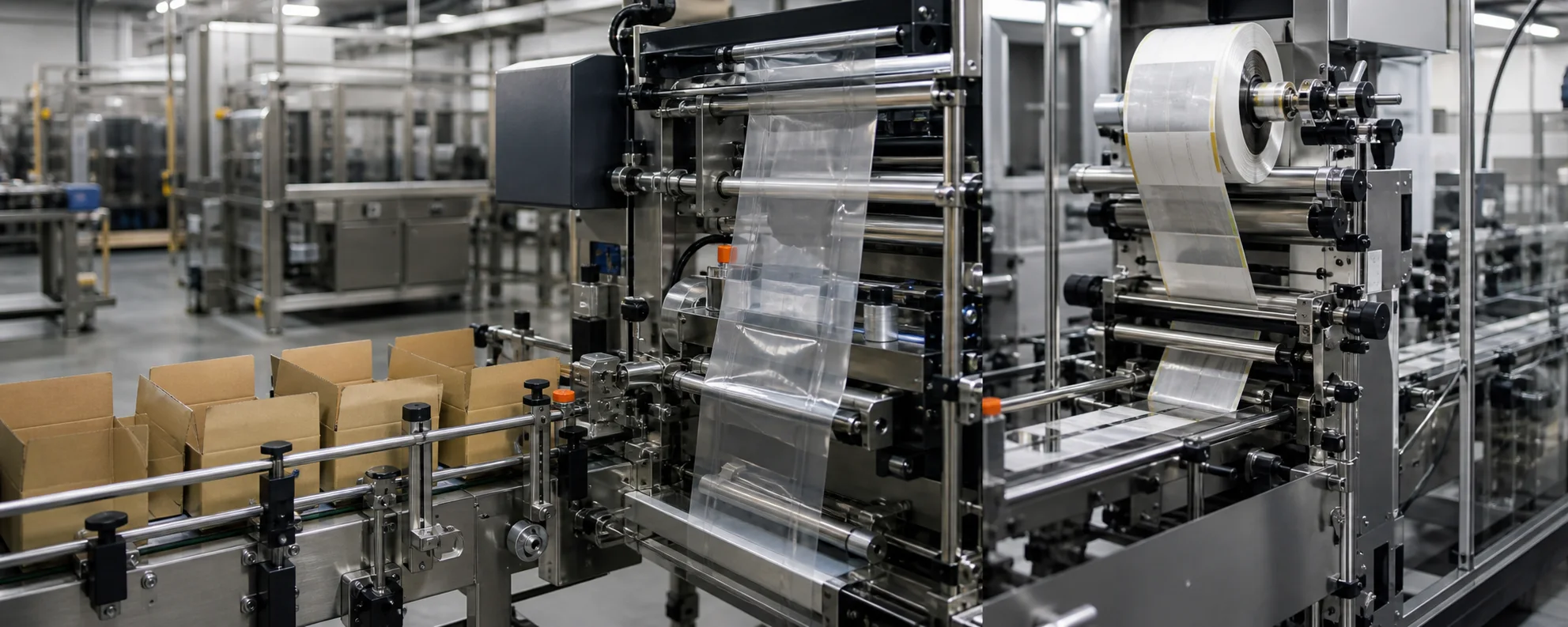
Packaging materials are active parts of a machine process. Carton stiffness, film friction, label position, adhesive behavior and dimensional variation can affect feeding, sealing, tracking, coding and final pack appearance.
A strong machine setup therefore uses approved materials and understands the acceptable variation before the line is expected to run at full production speed.
Review Material Properties That Affect Handling
Carton board, film, labels and adhesives each have characteristics that influence the process. Dimensions, thickness, stiffness, surface finish, static charge and friction may affect how the material separates, travels and forms on the machine.
Test Materials With the Intended Product
A material may run well when empty but behave differently after product loading, sealing or case packing. Trials should include representative product weight, dimensions and the expected production environment.
Make the Requirement Measurable
Use a measurable condition that operators, engineers and commercial teams can review together. packaging format guide can be included where equipment interfaces or wider line coordination affect the outcome.
Store Materials Correctly
Humidity, temperature, dust and stacking method can change material behavior before it reaches the machine.
Keep Approved Samples
Reference samples help operators, suppliers and engineers compare a current issue with the intended standard.
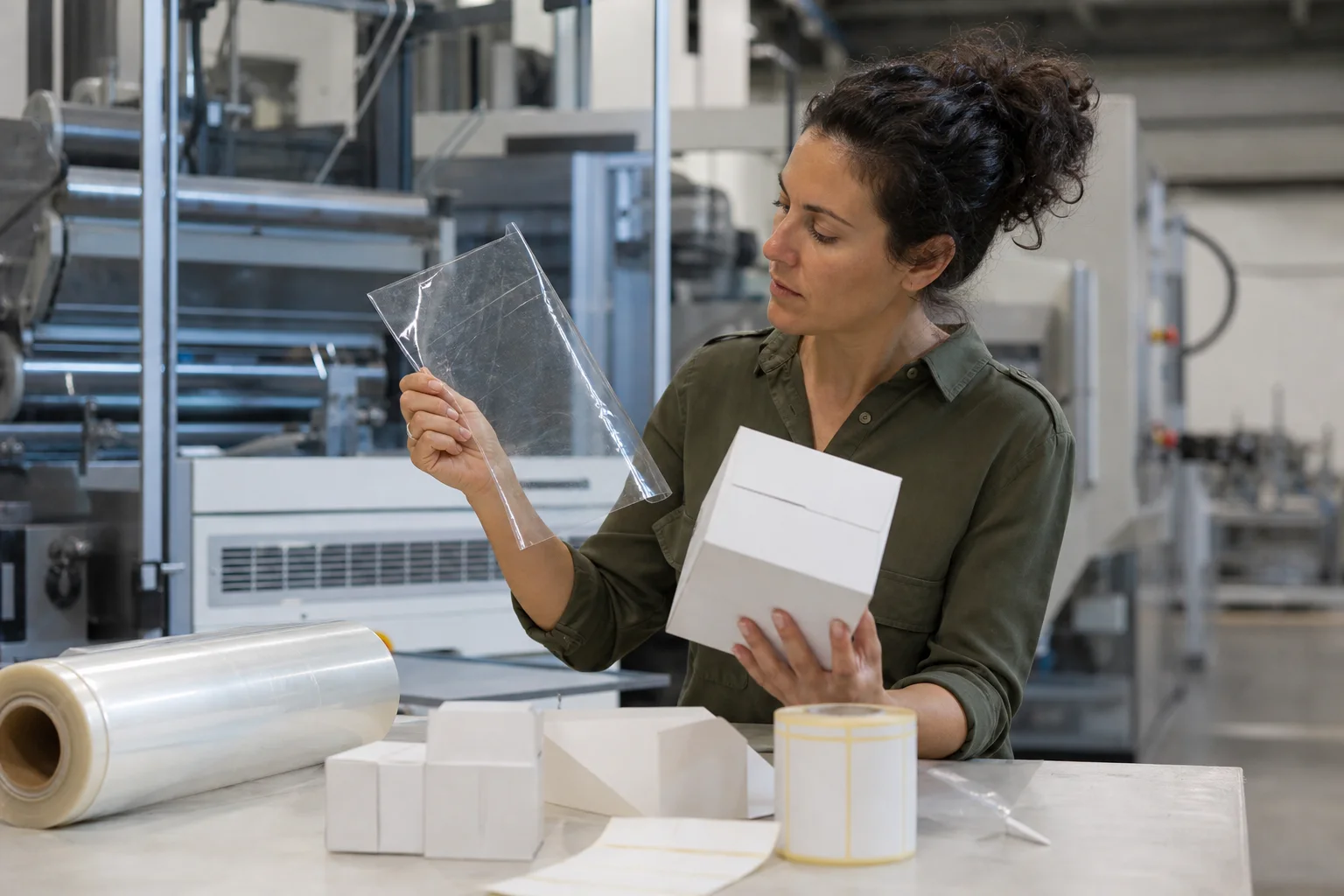
Control Supplier and Batch Variation
Approved specifications should state the values that matter to machine performance. When a new supplier or material batch is introduced, confirm that it remains within the agreed range before assuming machine settings are at fault.
Adjust the Process Only After Understanding the Cause
Repeated adjustment can hide the true issue. Confirm whether the condition comes from material, product, machine condition, sensor setup or operating sequence before changing the approved recipe.
Material Approval Workflow for Stable Machine Performance
Packaging materials should be approved with the machine process in mind. Cartons, films, labels, adhesives and trays may look acceptable in a sample review but still behave differently during feeding, forming, sealing, coding or case packing. A material approval workflow helps confirm that the selected material supports both product presentation and packaging machine performance.
The workflow should begin with a clear specification. Important details may include dimensions, thickness, stiffness, surface finish, roll direction, print tolerance, glue area, friction and storage condition. These values should be practical for suppliers to provide and meaningful for the production team to check.
Test Materials Under Production Conditions
A material test should include the intended product, machine speed, operating environment and downstream handling. For example, a carton may feed correctly at low speed but show variation at production speed. A film may seal well in one condition but behave differently when humidity or temperature changes. Testing under realistic conditions helps reduce repeated adjustment after full production begins.
Incoming material checks can also support stability. The factory does not need to test every property on every batch, but it should check the characteristics that most affect the line. When an issue occurs, batch records make it easier to compare the current material with the approved standard.
Coordinate Suppliers and Production Teams
Suppliers, engineers and operators should understand which material properties are critical to the process. This shared understanding keeps packaging materials decisions connected to reliable output, quality and repeatable machine performance.
Material Change Control for Packaging Lines
When packaging materials change, the line should be reviewed before the new material becomes normal production. Even small changes in carton board, film, label backing or adhesive can affect machine performance. A controlled review helps confirm whether current settings are still suitable.
Material change control can include supplier confirmation, sample testing, machine trial, quality approval and operator notes. The process should be scaled to the level of risk. A minor approved batch may need a quick check, while a new material supplier may require a fuller trial.
Keep Material History Available
Keeping approved samples and batch records helps the team compare current issues with previous results. This supports stable packaging materials decisions and repeatable production quality.
Practical Steps for Implementation
A practical improvement program is easier to sustain when the intended result, current state and verification method are agreed before changes are made.
- List material properties that influence each machine station.
- Test new materials with representative product samples.
- Define approved ranges and incoming checks.
- Record issues by material batch and production condition.
Frequently Asked Questions
Why can the same machine run differently with a new carton batch?
Small differences in board stiffness, dimensions or surface finish can change feeding and folding behavior.
Should materials be changed to improve speed?
Assess material suitability and product protection first. Speed should not compromise the intended pack quality.
What is the value of an incoming material check?
It can identify variation before it creates repeated interruptions or quality loss on the line.
Match Materials to Your Packaging Process
Newgate Machine can review product, material and machine interaction to support stable packaging performance.