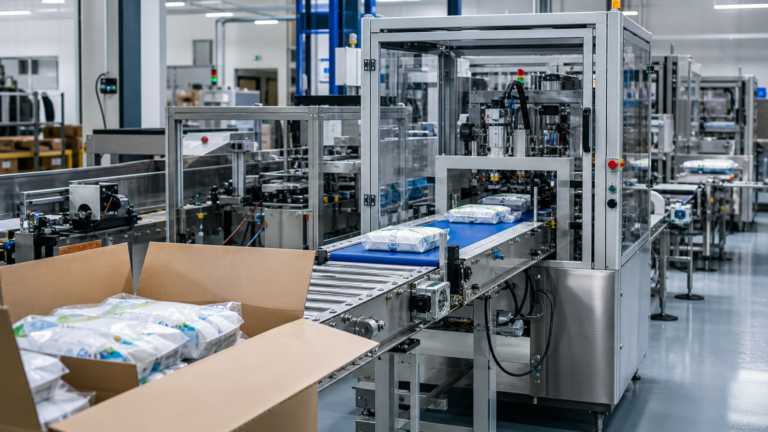



A new product launch creates an opportunity to align package design, production method and commercial requirement from the beginning. Equipment selection should be based on the real product and the expected operating range, not only a single presentation sample or a generic machine category.
The process begins with a clear product brief and an understanding of the available packaging machine functions.
Define the Product and Pack Requirements
Record dimensions, weight, orientation, surface condition, product stability, count, packaging material, code requirement and acceptable handling method. Include the smallest and largest expected variations, not only the launch sample.
Set an Output Target That Reflects the Business Plan
Specify the expected annual volume, operating shifts, campaign peaks and future product range. The machine should be evaluated at a sustained finished-output target, including normal material replenishment and changeovers.
Make the Requirement Measurable
Use a measurable condition that operators, engineers and commercial teams can review together. investment and payback review can be included where equipment interfaces or wider line coordination affect the outcome.
Plan for the Next Format
Future options such as a different pack count or carton size can be considered during initial design without forcing unnecessary complexity today.
Define Acceptance Criteria Early
Clear criteria for speed, quality, safety and documentation make supplier and factory expectations easier to align.
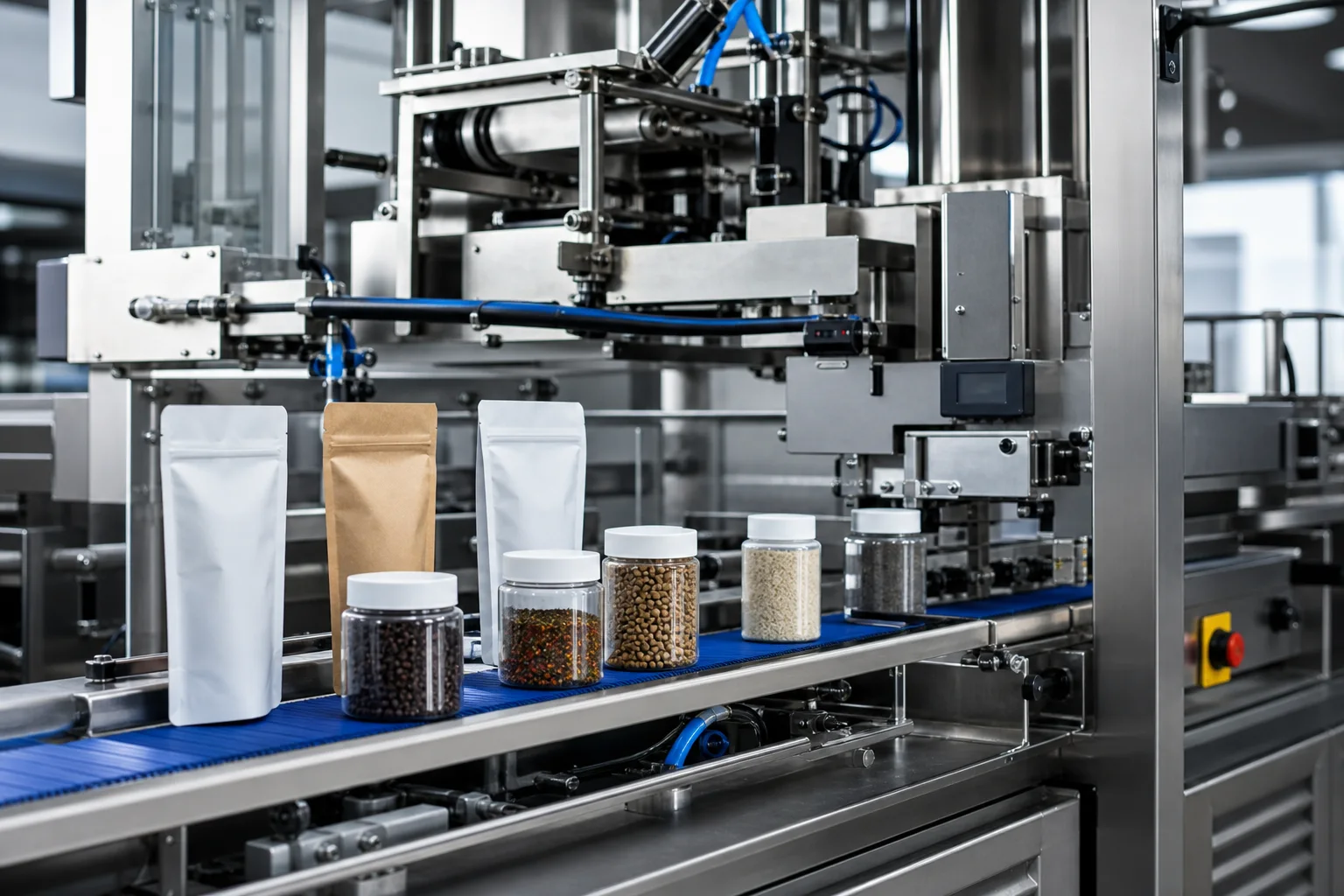
Review the Whole Operating Environment
Available floor space, access, utilities, cleaning method, operator positions, upstream supply and downstream case handling all influence the suitable solution. A machine that fits physically may still create an inefficient operating layout.
Use Representative Trials Before Approval
Test the actual products and approved materials. Confirm output, pack quality, rejects, changeover method and operator access. Record agreed results as the basis for factory acceptance and commissioning.
Packaging Trials Before a New Product Launch
A new product launch should include packaging trials before the commercial production date. Product shape, weight, surface condition and stability can all affect how the item feeds, transfers, wraps, cartons or packs into cases. A trial gives the team time to confirm the packaging machinery setup and adjust the process before demand becomes time sensitive.
The trial should use representative products and approved materials. Testing with early samples can be helpful, but the final review should include the actual carton, film, label, tray, case or insert intended for launch. This helps confirm that the machine can support the required pack quality and that operators understand the approved settings.
Review Output, Changeover and Growth Plans
A launch project should consider more than the first production run. If the product is expected to grow, the packaging line should be reviewed for future output, additional sizes and possible promotional formats. This does not always require a larger machine immediately, but it does require clear planning around available space, utility capacity, material handling and line integration.
Changeover time is another important detail. New products often begin with several adjustments while the team learns the process. Recording settings, guide positions, sensor locations and material conditions makes the next run easier to repeat. Over time, this turns the launch setup into a normal production routine.
Confirm Acceptance Criteria Before Approval
Before approving the project, define what successful packaging looks like in terms of speed, appearance, reject level and operator workflow. Clear acceptance criteria help engineering, production and commercial teams review the new product launch using the same standard.
Launch Readiness Checks for Packaging Machinery
Before a new product launch, packaging machinery should be reviewed with a practical readiness checklist. This can include product samples, approved packaging materials, line layout, operator access, utility supply, change parts, inspection points and quality approval steps. Each item helps reduce uncertainty before commercial production begins.
The checklist should also confirm who owns each decision. Engineering may review machine setup, quality may approve acceptance criteria, and production may confirm staffing and daily operation. Clear ownership helps the launch proceed in an organized way.
Review the First Production Runs
After launch, compare actual output, rejects and changeover time with the expected plan. This helps refine the setup and gives the team a reliable base for future product launches.
Practical Steps for Implementation
A practical improvement program is easier to sustain when the intended result, current state and verification method are agreed before changes are made.
- Prepare representative products and materials.
- Define output, format range and quality requirements.
- Review layout, utilities and operator access.
- Run a trial and document agreed acceptance criteria.
Frequently Asked Questions
When should machinery selection start?
Start while the pack format is being stabilized so that product and equipment decisions can inform each other.
Can a machine be selected before final artwork is complete?
Often yes, but the physical materials, dimensions and code areas should be sufficiently defined for meaningful trials.
What is the value of a product trial?
It tests the interaction between real products, real materials and the intended operating method before the project is finalized.
Plan Your New Product Packaging Line
Newgate Machine can review new products, packaging formats and output goals to help define a practical machinery and line-layout requirement.